
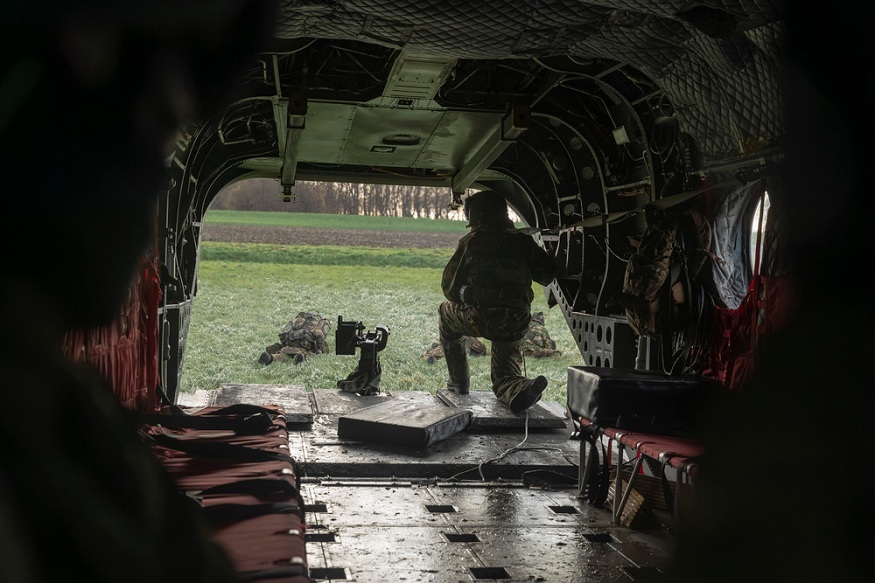

Every successful flight begins hours, days, and sometimes months before the engines fire up. The gap between smooth operations and total disaster is usually traced back to work nobody sees. It includes preparation happening in hangars, briefing rooms, and planning sessions while aircraft sit silent on the tarmac.
The Planning Phase Makes or Breaks Missions
Flight planning runs deeper than drawing lines on maps. Planners dig into weather patterns stretching back weeks. They run fuel calculations, then run them again with worse assumptions. Alternate landing sites get mapped along the entire route, not just the obvious ones, but fields nobody hopes to use.
Read More: MOTORCYCLE TRIP TO LADAKH: THE GUIDE TO THE “HIGHEST ROAD IN THE WORLD”
Risk assessment shapes everything. Teams tear apart every threat. Mechanical failures, hostile ground conditions, and weather that turns ugly fast. Each risk gets a number. High scores trigger extra prep work. Maybe another crew member joins. Equipment loadouts shift. Bad enough scores? Mission waits for better days.
Nobody forgets the human element anymore. Exhausted pilots crash planes more often than broken engines do. Smart planning puts well-rested crews in seats. Training syncs up with what’s coming. Crews heading into mountain rescues have been practicing mountain approaches all week. Desert operations next month? Desert simulation started yesterday.
Equipment Preparation and Verification
Fueling the bird barely scratches the surface. Ground crews burn through marathon inspection sessions. They test hydraulic pressure until gauges blur. Navigation computers eat fresh database updates. Radio checks stretch across every frequency the mission might need. Miss one step? That’s how small problems become tomorrow’s emergency.
Read More: MOTORCYCLE TRIP TO LADAKH: THE GUIDE TO THE “HIGHEST ROAD IN THE WORLD”
Different missions pack different gear. Air medical flights look nothing like cargo hauls inside the cabin. Medical devices don’t just need power; they need backup power, then backups for the backups. Drug expiration dates get triple checked. Stretcher mounting points take test loads twice their rated capacity. Oxygen calculations assume everything goes wrong and patients need twice the expected amount.
Then come the ugly missions; the ones where people might shoot at you. Companies like LifePort build ballistic armor for aircraft that ground crews install before wheels-up, not as permanent weight penalties. These protective systems slide into place during prep, keeping birds flexible for normal operations but ready for the rough stuff when needed. Installation teams balance every pound carefully. Too much weight in the wrong spot ruins everything.
Briefings That Build Success
Pre-flight briefings forge loose professionals into tight teams. Forget just covering routes and altitudes. These sessions tear through contingencies most people never consider. Radio failures, engine problems, medical emergencies among the crew themselves. By the end, everyone knows their job plus three other people’s jobs.
Weather gets its own spotlight. That morning fog might burn off. Or it might thicken. Afternoon storms could pop up out of nowhere. Meteorologists paint detailed pictures, but crews learn to read signs themselves. They pick abort points, alternate routes, moments where original plans might need shredding. Specialized missions bring specialized concerns. Medical crews study patient histories, drug interactions, and equipment compatibility. Search teams memorize terrain that could hide survivors or swallow aircraft. Cargo haulers learn about load characteristics that affect balance. Information flows until everyone carries the same mental picture.
Conclusion
Success really does start before takeoff. Those grinding hours of route planning, equipment checks, and crew briefings are where safety lives. Problems that could snowball into catastrophes at altitude get solved on the ground for pennies. Observers watch departures and arrivals, missing the hundred decisions that made them possible. Aviation remains remarkably safe because of this invisible foundation work. Every smooth landing actually celebrates preparation nobody witnessed. Luck has nothing to do with it.